High Speed Lamination Machine – Complete Guide for Modern Packaging Industry
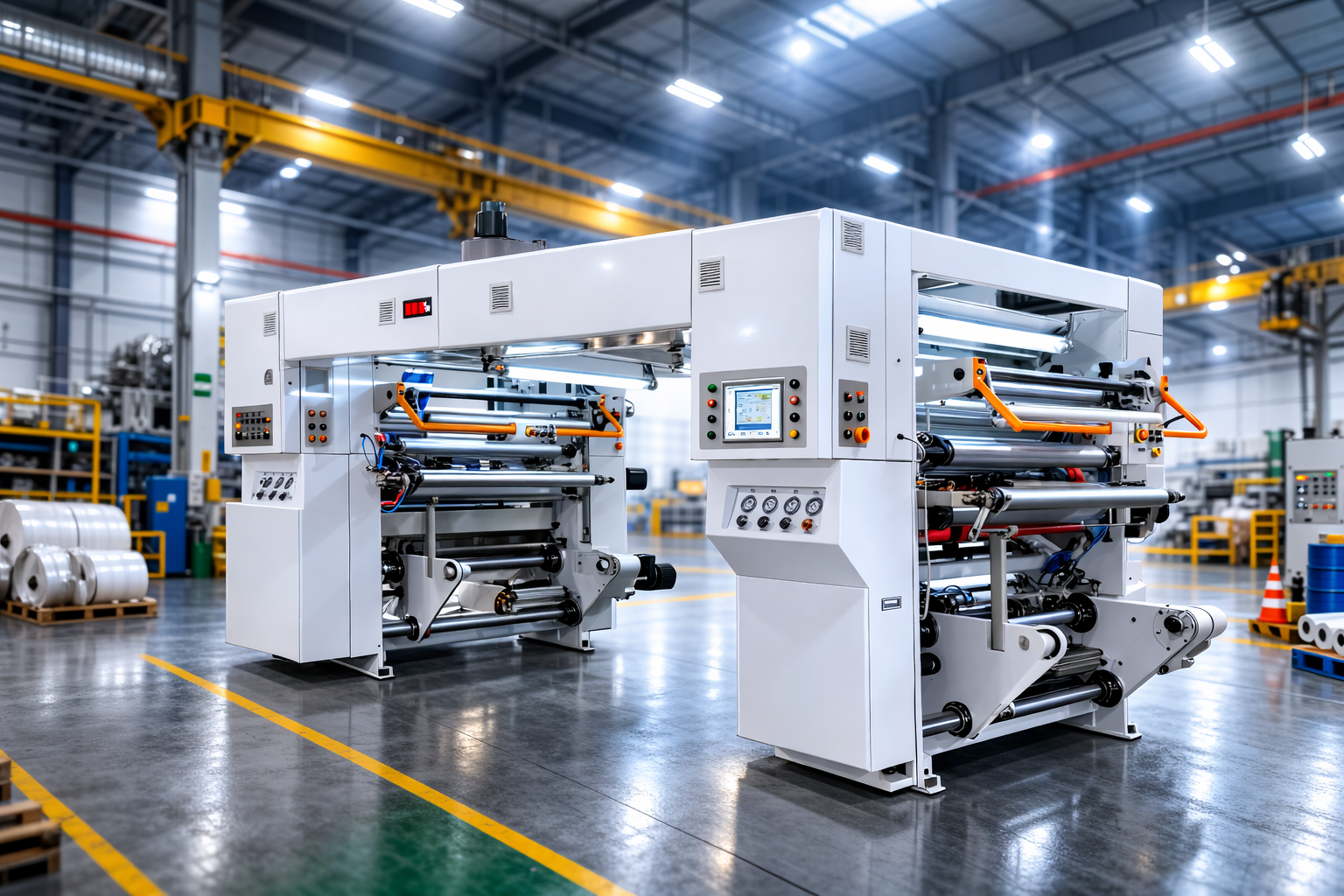
In today’s fast-growing packaging and converting industry, the demand for high-quality laminated materials is increasing rapidly. Flexible packaging manufacturers, printing companies, and paper converting industries require advanced equipment that can deliver high production speed along with consistent lamination quality. This is where a High Speed Lamination Machine plays a vital role in modern manufacturing operations.
A High Speed Lamination Machine is designed to bond two or more layers of materials such as plastic films, paper, aluminum foil, or other packaging substrates. The primary purpose of lamination is to improve the strength, barrier properties, appearance, and durability of packaging materials. Laminated structures are widely used in food packaging, pharmaceutical packaging, industrial wrapping, paper products, and many other applications.
Manufacturers across the world are continuously upgrading their production lines with advanced lamination technology in order to achieve higher productivity and superior product quality. Mohindra Mechanical Works is one of the trusted manufacturers offering modern lamination solutions designed for flexible packaging and paper converting industries.
What is a High Speed Lamination Machine?
A High Speed Lamination Machine is an industrial converting machine used to combine multiple layers of materials using adhesives, heat, pressure, or solvent-based bonding systems. The machine operates at high production speeds while maintaining uniform bonding across the entire web width.
In modern packaging industries, lamination machines are used to produce multi-layer laminated structures that provide better protection, improved shelf life, and an enhanced product appearance.
High speed lamination technology is widely used in applications such as:
- Flexible packaging materials
- Paper and board lamination
- Aluminum foil lamination
- Industrial films and protection films
- Food and pharmaceutical packaging
These machines are equipped with precision rollers, advanced coating systems, drying tunnels, and tension control mechanisms that ensure stable operation even at high speeds.
Materials That Can Be Laminated
One of the major advantages of a High Speed Lamination Machine is its ability to process a wide variety of materials used in packaging and printing industries.
Common materials used in lamination include:
- BOPP Films
- PET Films
- CPP Films
- Paper and Paperboard
- Aluminum Foil
- Metallized Films
- PE Films
- Protection Films
By laminating these materials together, manufacturers can create high-performance packaging structures that offer moisture resistance, oxygen barrier properties, heat sealing capability, and improved durability.
Industries Using High Speed Lamination Machines
High speed lamination machines are widely used in many industrial sectors where laminated materials are required for product packaging or structural strength.
Major industries using lamination machines include:
Flexible Packaging Industry
Flexible packaging manufacturers use lamination machines to produce multilayer packaging films for snacks, food products, and consumer goods.
Pharmaceutical Packaging
The pharmaceutical industry uses laminated foil structures for blister packs and medical packaging that require strong barrier protection.
Paper Product Manufacturing
Paper converting industries use lamination machines for laminated paper products, paper plates, and packaging materials.
Industrial Film Processing
Industries producing protective films, insulation films, and specialty industrial films also rely on lamination technology to improve product durability.
Types of High Speed Lamination Machines
Different manufacturing applications require different types of lamination technology. Modern packaging industries use specialized machines depending on the material structure and bonding method.
Combi Solventless & Solventbase Lamination Machine
A Combi Solventless & Solventbase Lamination Machine is designed to provide maximum production flexibility by supporting both solvent-based and solventless lamination processes.
Solvent-based lamination is commonly used for high-performance packaging structures that require strong bonding and excellent durability. On the other hand, solventless lamination technology is preferred for more environmentally friendly packaging production.
This type of lamination machine allows manufacturers to switch between both technologies depending on their production requirements, making it a versatile solution for flexible packaging industries.
Paper Plate Lamination Machine
A Paper Plate Lamination Machine is specially designed for paper processing and converting industries. This machine laminates protective films or coatings on paper plates and paper products in order to improve strength and water resistance.
Laminated paper plates are widely used in food serving applications, disposable products, and catering industries. The lamination process ensures that the paper plate becomes durable, leak-resistant, and suitable for various food items.
High speed paper plate lamination machines help manufacturers increase production efficiency while maintaining consistent product quality.
Foil Lamination Machine
A Foil Lamination Machine is used to laminate aluminum foil with plastic films or paper substrates. Foil lamination plays a crucial role in packaging industries where strong barrier protection is required.
Aluminum foil laminated structures are commonly used in:
- Pharmaceutical packaging
- Food packaging
- Insulation materials
- Industrial packaging
Foil lamination significantly improves barrier properties against moisture, oxygen, light, and contamination, making it ideal for sensitive products.
Heat & Press Lamination Machine
A Heat & Press Lamination Machine uses controlled heat and pressure to bond multiple layers of materials together. This lamination process is widely used for industrial applications where strong bonding strength is required.
Heat and press lamination machines are commonly used for laminating films, paper materials, foil structures, and various specialty packaging substrates.
Key Features of Modern High Speed Lamination Machines
Modern High Speed Lamination Machines are designed with advanced engineering and automation features to meet the growing demand of industrial production.
Important features include:
- High production speed
- Precision web tension control
- Advanced adhesive coating system
- Uniform drying system
- Heavy-duty industrial construction
- User-friendly control panel
- Energy-efficient operation
These features allow manufacturers to achieve stable machine performance and consistent lamination quality even during long production runs.
Why Manufacturers Prefer High Speed Lamination Machines
Manufacturers are increasingly investing in high speed lamination technology due to several operational advantages.
Increased Production Efficiency
High speed machines significantly increase production output compared to conventional lamination equipment.
Consistent Lamination Quality
Modern machines provide uniform adhesive application and bonding quality across the entire material width.
Versatile Material Processing
Different materials such as films, paper, foil, and multilayer substrates can be laminated efficiently.
Reduced Production Cost
Higher speed and advanced automation help reduce labor costs and improve overall manufacturing efficiency.
Choosing the Right High Speed Lamination Machine
Selecting the right lamination machine depends on several production factors including material type, lamination process, and production capacity.
Important factors to consider include:
- Required web width
- Production speed capacity
- Lamination technology (solvent, solventless, or heat press)
- Material compatibility
- Industrial durability and machine build quality
Choosing a reliable manufacturer ensures long-term machine performance and stable production.
Conclusion
The packaging and converting industry continues to evolve with the growing demand for high-quality laminated materials. A High Speed Lamination Machine plays a critical role in modern production lines by delivering efficient, consistent, and high-performance lamination results.
From flexible packaging to paper products and foil structures, lamination technology is essential for producing durable and functional packaging materials.
Companies like Mohindra Mechanical Works offer advanced lamination solutions including Combi Solventless & Solventbase Lamination Machines, Paper Plate Lamination Machines, Foil Lamination Machines, and Heat & Press Lamination Machines designed to meet the needs of modern industrial manufacturing.
By investing in the right lamination technology, manufacturers can significantly improve production efficiency while maintaining high product quality standards.